The difference between batch mix plant and drum mix plant significantly impacts energy consumption and maintenance requirements, which in turn affects the long-term operational costs for clients looking to buy asphalt plant. Understanding these differences is crucial for making informed purchasing decisions. This article explores how energy efficiency and maintenance needs vary between the two types of plants, highlighting the implications for overall cost management.
Energy Consumption Comparison
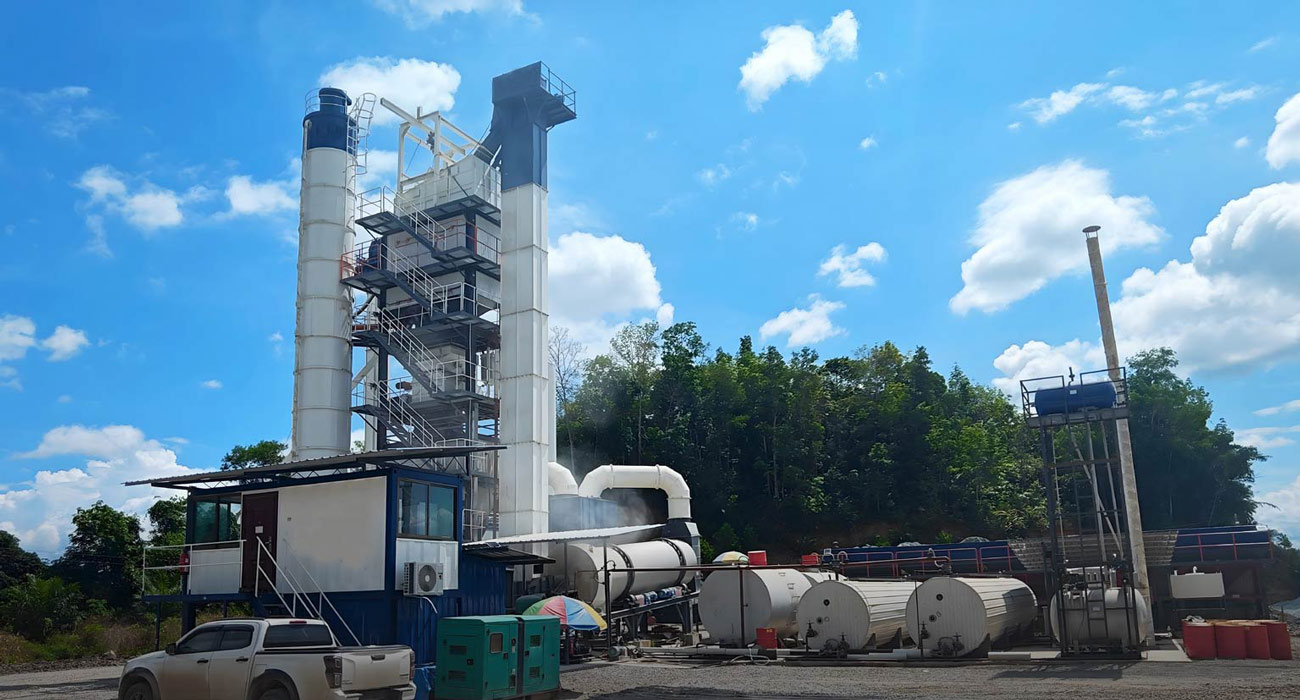
One of the primary distinctions between batch mix plant and drum mix plant lies in their energy consumption patterns. Batch mix plants operate by heating and mixing materials in discrete batches, often leading to higher fuel consumption during the heating phase. Each batch requires a considerable amount of energy to reach the desired temperature before mixing can occur. This cyclical process can result in elevated operational costs, especially in environments with high energy prices.
On the other hand, a drum mix asphalt plant utilizes a continuous mixing process, which allows for a more consistent and efficient heating of materials. The fuel consumption in a drum asphalt mixing plant is generally lower since the entire system is designed for perpetual operation. This efficiency not only conserves energy but also leads to reduced greenhouse gas emissions. Over time, the reduced energy consumption of a drum mix plant can result in a significant decrease in overall operational costs, making it a more economically viable option for long-term projects.
Maintenance Requirements
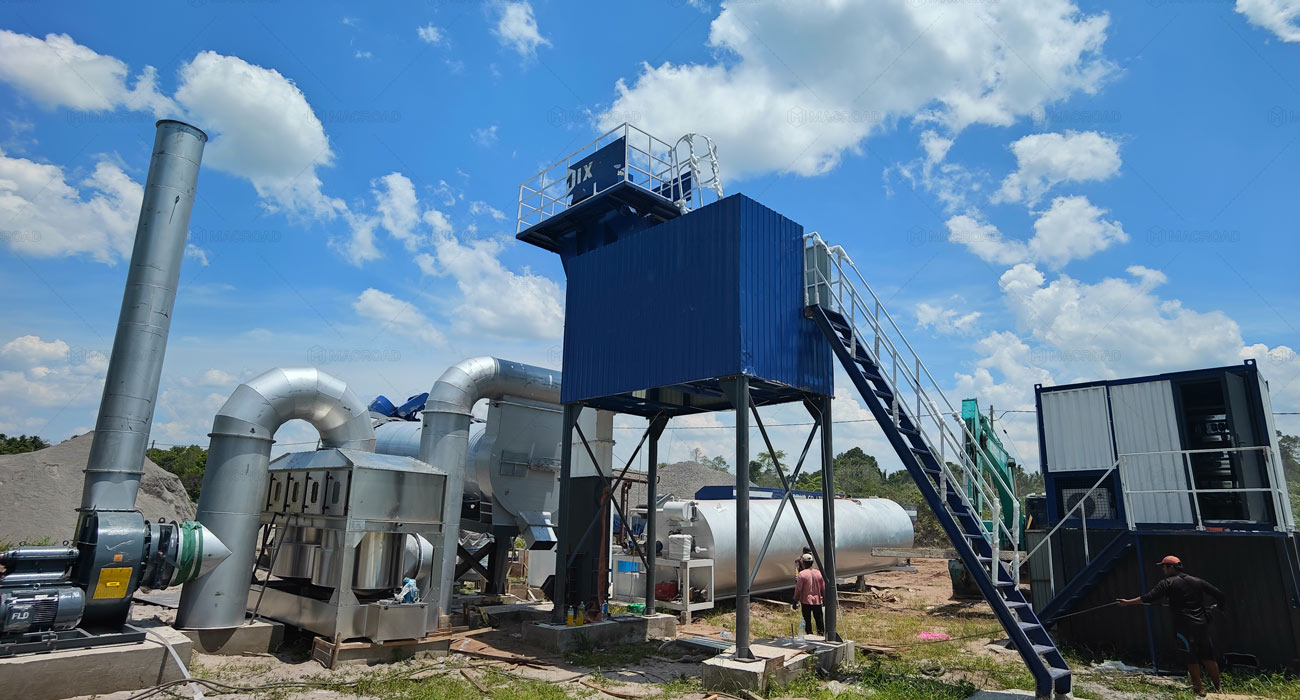
The maintenance needs of batch mix plants and drum mix plants also differ significantly, which affects their long-term operational viability. Batch mix plants require regular maintenance due to their complex systems, which include many moving parts such as mixers, conveyers, and screeners. These components can wear out over time and necessitate frequent inspections and replacements. Consequently, the maintenance schedule can become quite demanding, leading to increased operational downtime and costs.
In contrast, drum mix asphalt plants have simpler designs with fewer moving parts, which generally results in lower maintenance requirements. The continuous operation of drum mix plants minimizes wear and tear on components, reducing the frequency and cost of repairs. Clients who intend to buy asphalt plant should consider these factors carefully, as the reduced maintenance demands of a drum mix plant can lead to significant savings in labor and parts over the lifespan of the equipment.
Long-Term Cost Implications
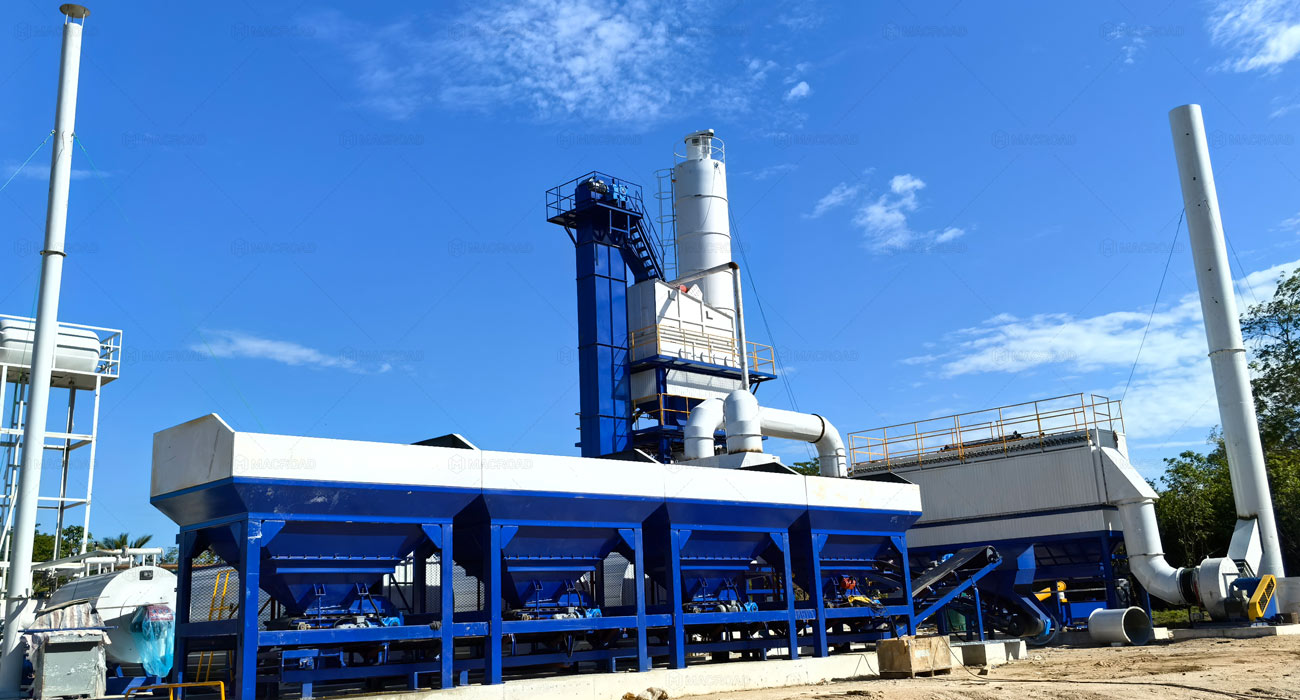
When evaluating the long-term operational costs associated with the difference between batch mix plant and drum mix plant, it’s essential to weigh both energy consumption and maintenance requirements. For clients who prioritize an efficient operational budget, investing in a drum mix asphalt plant may offer financial advantages due to its lower energy demands and reduced maintenance overheads.
Furthermore, the initial investment costs can be offset by the long-term savings achieved through operational efficiency. As asphalt production needs continue to grow, understanding these economic implications becomes crucial for clients. By selecting the right type of plant, clients can not only optimize their production capabilities but also achieve more sustainable and cost-effective operations over time.
Conclusion
In conclusion, the difference between batch mix plant and drum mix plant has significant ramifications for energy consumption and maintenance requirements, directly impacting the long-term operational costs for clients intending to buy asphalt plant. While batch mix plants may incur higher energy costs and require more frequent maintenance, drum mix plants typically provide greater efficiency and reduced operational demands. Clients should carefully consider these factors to make informed decisions that align with their economic objectives and production needs. Understanding these differences will ultimately lead to more sustainable and cost-effective asphalt production, particularly when engaging with a knowledgeable asphalt mixing plant supplier.