In industrial lifting operations, gantry cranes are widely used for handling heavy materials across construction sites, shipyards, precast yards, steel processing plants, and railway logistics facilities. Among the many specifications that define crane performance, load capacity is one of the most critical. For a 25 ton gantry crane, operators and engineers must clearly understand the difference between rated load and actual load.
Although these terms may seem similar, they refer to different aspects of crane operation and safety. Misunderstanding them can lead to equipment damage, reduced operational efficiency, or even dangerous accidents. This article explains the meaning of rated load and actual load, how they differ, and why understanding their relationship is essential for safe and efficient operation of a 25 ton gantry crane.
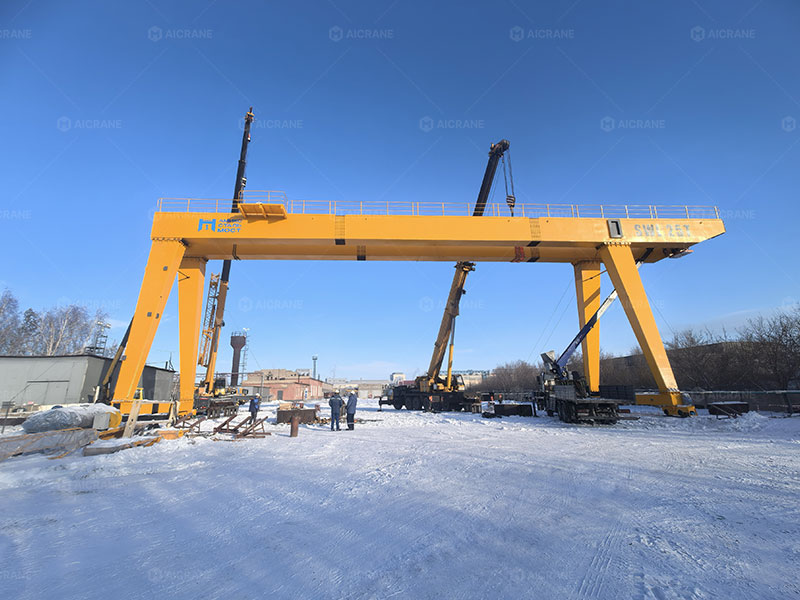
What Is Rated Load in a 25 Ton Gantry Crane?
The rated load is the maximum lifting capacity that the crane is designed to safely handle under specified operating conditions. For a 25 ton gantry crane, the rated load means the crane can lift 25 metric tons (25,000 kg) safely when operating within the designed parameters.
Rated load is determined during the engineering design process and is based on multiple technical factors, including:
-
Structural strength of the crane girder
-
Hoist lifting capacity
-
Wire rope strength
-
Trolley capacity
-
Wheel load limits
-
Safety factors defined by industry standards
In most cases, the rated load includes the weight of the lifted object only, excluding the weight of lifting accessories such as hooks, slings, and spreader beams. However, depending on the gantry crane design or standard used, some specifications may define rated capacity slightly differently.
Manufacturers determine the rated load after performing structural calculations, finite element analysis, and safety factor verification according to international standards such as ISO, FEM, or CMAA.
It is important to understand that the rated load is not just a theoretical limit, but a value verified through engineering design and load testing.
What Is Actual Load During Crane Operation?
The actual load refers to the total weight that the crane hoist is lifting at any given moment during operation.
This includes not only the main object being lifted but also the weight of all lifting accessories involved in the operation. The actual load typically includes:
-
The weight of the lifted material or equipment
-
Hooks or lifting blocks
-
Slings, chains, or wire rope slings
-
Spreader beams or lifting frames
-
Grabs or lifting attachments
For example, consider a lifting operation using a 25 ton gantry crane:
-
Steel component weight: 23 tons
-
Lifting spreader beam: 1 ton
-
Slings and shackles: 0.5 ton
The actual load = 24.5 tons, even though the main object weighs only 23 tons.
If operators only consider the object weight and ignore the weight of lifting tools, the crane may unknowingly operate close to or beyond its safe limit.
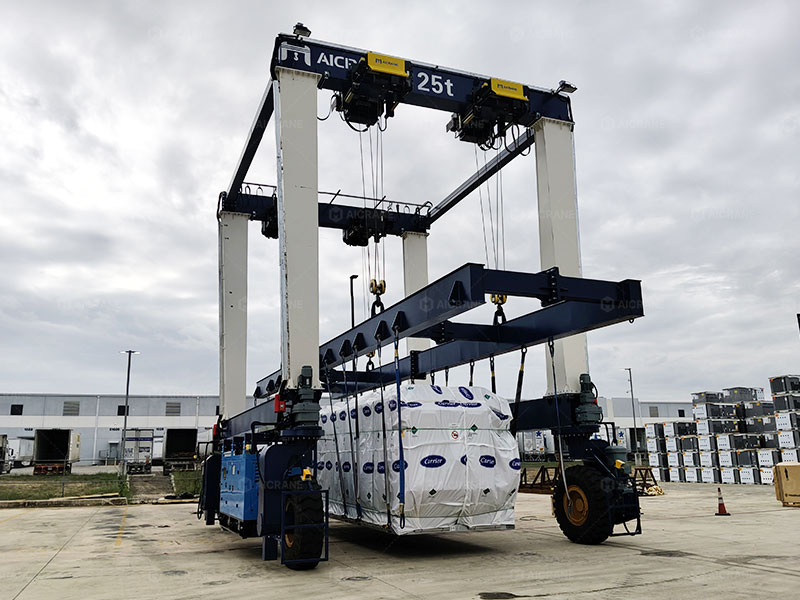
Key Differences Between Rated Load and Actual Load
Understanding the distinction between these two terms is essential for proper crane operation.
1. Definition Difference
-
Rated load: Maximum load capacity specified by the industrial gantry crane manufacturer.
-
Actual load: Total load being lifted during a specific operation.
Rated load is a design limit, while actual load is an operational value.
2. Fixed Value vs Variable Value
Rated load is fixed and determined during the crane design process.
Actual load is variable, changing depending on the lifting task and accessories used.
For example:
| Parameter | Value |
|---|---|
| Rated load | 25 tons |
| Actual load (steel beam lifting) | 18 tons |
| Actual load (precast concrete lifting) | 22 tons |
| Actual load (heavy machinery lifting) | 24.5 tons |
The crane must always operate within the rated capacity.
3. Design vs Operation
Rated load relates to engineering design and equipment capability, while actual load relates to real-world lifting operations.
Design engineers must ensure the crane structure can safely handle the rated load, while operators must ensure that the actual load never exceeds the rated capacity.
Why Understanding This Difference Is Critical
Failing to distinguish between rated load and actual load can lead to several operational problems.
1. Preventing Crane Overload
Overloading occurs when the actual load exceeds the rated load. This is one of the most common causes of crane accidents.
Even a small overload can create significant stress on:
-
Main girder structures
-
Hoisting mechanisms
-
Wire ropes
-
Wheel assemblies
Repeated overload conditions may lead to structural fatigue, deformation, or mechanical failure.
2. Protecting Hoisting Components
In a 25 ton gantry crane, the hoist system – including the motor, gearbox, brake, and wire rope – is designed specifically for the rated load.
When the actual load approaches or exceeds the rated limit:
-
Hoist motors may overheat
-
Brakes may wear faster
-
Wire ropes may experience excessive tension
Understanding actual load helps operators avoid placing unnecessary stress on these critical components.
3. Maintaining Structural Safety
The crane girder, support legs, and trolley frame are designed with specific load distribution limits.
If the actual load exceeds the rated capacity:
-
Girder deflection may increase
-
Wheel loads may exceed rail limits
-
Structural stress may accumulate over time
This can reduce the crane’s service life and increase maintenance costs.
Role of Safety Factors in Crane Load Design
Even though a 25 ton gantry crane is rated for 25 tons, engineers include safety factors in the design process.
Typical safety factors include:
-
Structural safety factor: 1.25 – 1.5
-
Wire rope safety factor: 4 – 6
-
Hook safety factor: 3 – 5
These safety margins ensure the crane remains safe under normal operating conditions, dynamic loads, and occasional load fluctuations.
However, these safety factors are not meant to allow regular overloading. They are included to provide a buffer against unexpected conditions, not to increase lifting capacity.
Role of Load Monitoring Systems
Modern 25t double girder gantry cranes often include overload protection systems to prevent operators from exceeding rated capacity.
Common systems include:
Load limiters
These sensors monitor the tension in the hoisting system and prevent lifting if the load exceeds the rated limit.
Load display systems
Digital displays allow operators to see the real-time lifting weight, helping them understand the actual load.
Automatic shutdown protection
If overload conditions occur, the system may stop the lifting operation to prevent mechanical damage.
These technologies help ensure that the actual load remains within the rated load limit.
Best Practices for Managing Actual Load
To ensure safe operation of a 25 ton gantry crane, operators should follow several best practices.
Always include lifting accessories in load calculations
Before lifting, operators should calculate the total lifting weight, including:
-
Slings
-
Shackles
-
Hooks
-
Spreader beams
-
Grabs
Verify load weight before lifting
Whenever possible, the load weight should be confirmed using:
-
Engineering drawings
-
Shipping documentation
-
Weight labels
-
Load measurement systems
Avoid dynamic load shocks
Sudden lifting, braking, or swinging can create dynamic loads that exceed the actual static weight of the load.
Smooth and controlled operation helps reduce these stresses.
Train crane operators properly
Operators must clearly understand:
-
Rated load limitations
-
Actual load calculations
-
Safe lifting procedures
Proper training significantly reduces the risk of overload incidents.
Conclusion
Understanding the difference between rated load and actual load is essential for the safe and efficient operation of a 25 ton gantry crane. Rated load represents the maximum lifting capacity determined during crane design, while actual load refers to the total weight being lifted during real operations, including lifting accessories.
By recognizing this distinction, operators can avoid overload conditions, protect critical crane components, and ensure long-term structural safety. Proper load calculation, operator training, and modern monitoring systems all play important roles in maintaining safe lifting operations.
In industrial environments where heavy materials must be moved efficiently and reliably, mastering the relationship between rated load and actual load is a fundamental step toward safe and productive crane operation.